The Comprehensive Guide to Understanding PU Foam
Are you searching for a versatile material for your next project? Look no further than PU foam. PU foam manufacturers have been revolutionizing various industries with this adaptable substance, and in this guide, we'll delve into the world of polyurethane (PU) foam. From understanding its manufacturing process to exploring its diverse applications and the compelling reasons to choose it, we'll cover everything you need to know to make informed decisions. Whether you're in construction, automotive, furniture, or any other sector requiring durable and adaptable materials, understanding the benefits of PU foam can give you a significant advantage. Let's explore the core aspects of this transformative material.
Table of contents:
What is PU Foam and How is it Manufactured?
The Different Types of PU Foam and Their Uses
Why Choose PU Foam for Your Next Project?
What is PU Foam and How is it Manufactured?
PU foam, short for polyurethane foam, is a polymer formed by reacting a polyol with an isocyanate in the presence of a catalyst and other additives. This chemical reaction creates a cellular structure, resulting in the characteristic foamy texture. The manufacturing process involves carefully controlling the ratio of these ingredients and the conditions under which they react. This allows manufacturers to tailor the foam's properties, such as density, firmness, and flexibility, to meet specific application requirements. Whether it’s the rigid foam used for insulation or the flexible foam found in mattresses, the manufacturing process is key to achieving the desired outcome.
The Different Types of PU Foam and Their Uses
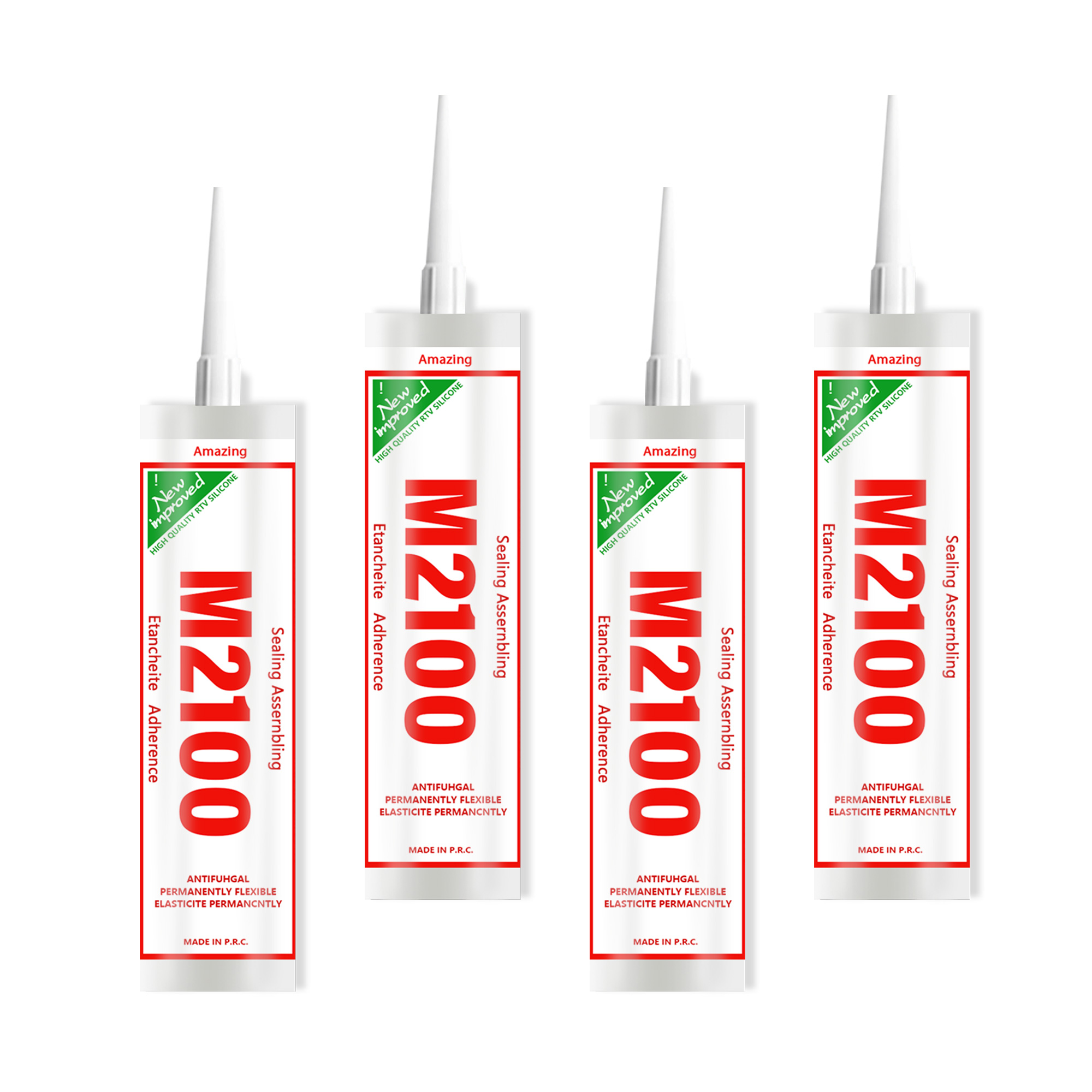
PU foam comes in various types, each designed for specific applications. Flexible PU foam is commonly used in furniture, bedding, and automotive seating, offering comfort and support. Rigid PU foam is known for its excellent insulation properties and is widely used in construction, refrigeration, and packaging. Spray PU foam, another popular type, is applied as a liquid and expands to fill gaps and cavities, providing insulation and sealing. Other specialized foams include memory foam, which conforms to the body's shape, and high-resilience (HR) foam, known for its durability and bounce-back properties. The diverse range of PU foams caters to a wide spectrum of needs across different industries.
Why Choose PU Foam for Your Next Project?
There are several compelling reasons to choose PU foam for your next project. Firstly, its versatility allows it to be customized to meet specific requirements, whether you need insulation, cushioning, or structural support. Secondly, PU foam offers excellent durability and resistance to wear and tear, ensuring long-lasting performance. Thirdly, it is lightweight, making it easy to handle and transport, reducing overall project costs. Finally, PU foam provides excellent insulation properties, helping to reduce energy consumption and improve the overall efficiency of buildings and appliances. Choosing PU foam offers a cost-effective and sustainable solution for a wide range of applications.
In conclusion, PU foam is a versatile and highly adaptable material with a wide range of applications across numerous industries. From its customizable properties to its excellent durability and insulation capabilities, PU foam offers a compelling solution for various projects. Whether you're seeking comfort, support, insulation, or structural integrity, PU foam can be tailored to meet your specific needs. As you plan your next project, consider the benefits of PU foam and explore the possibilities it offers to enhance your product's performance, durability, and sustainability. Explore partnering with a reliable PU foam manufacturer to unlock the full potential of this remarkable material.