Improving Installation Quality with 2500 General Purpose Silicone Sealant Selection
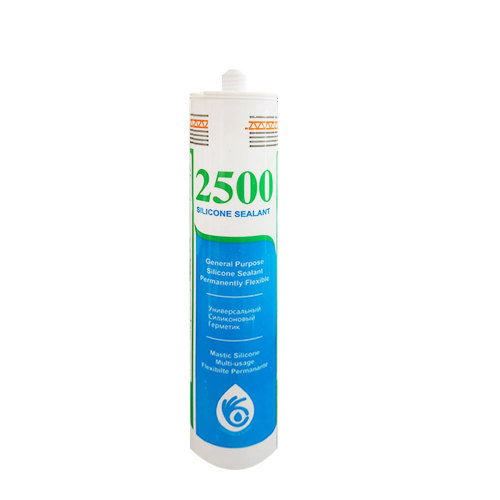
Contractors and DIY enthusiasts alike recognize that achieving a durable, weatherproof seal is a mark of quality workmanship. Whether installing glass doors and windows or finishing interior decorations, the choice of sealant can make all the difference. The 2500 General Purpose Silicone Sealant is a versatile one-component product designed for reliable adhesion and long-term performance. Sourcing this from a dependable silicone sealant supplier ensures access to a product that cures quickly at room temperature and bonds well to most common building materials, providing a professional finish every time.
Table of contents:
Surface preparation essentials for acid glass silicone sealant bonding effectiveness
Optimal temperature conditions influencing silicone sealant cure and performance
Common pitfalls to avoid in using silicone sealant on diverse substrates
Surface preparation essentials for acid glass silicone sealant bonding effectiveness
Successful sealing projects hinge on what happens before the sealant is even applied. For an acid glass silicone sealant like the 2500 General Purpose model, proper surface preparation is not just a recommendation; it is fundamental to achieving a strong, lasting bond. The deacetic acid curing process requires a clean, dry substrate to create its chemical adhesion. Any contaminants such as grease, oil, dust, or residual plasticizers will act as a barrier, preventing the sealant from properly wetting and gripping the surface. This can lead to premature failure, peeling, or gaps that compromise the integrity of the seal. Therefore, all surfaces must be thoroughly cleaned with a suitable solvent and wiped dry. It is also important to ensure the substrate is free of any loose particles. A reputable silicone sealant manufacturer, such as JiaoBao, provides clear construction notes specifying that the product should not be used on surfaces with grease or plasticizers. Following these guidelines ensures the sealant's good bonding extensibility is fully utilized, leading to a durable and reliable seal for everything from display cabinets to general construction applications. Any contractor looking for wholesale silicone sealant options should prioritize products with clear preparation instructions.
Optimal temperature conditions influencing silicone sealant cure and performance
Maintaining appropriate temperature conditions significantly affects the application and curing of silicone sealants. The 2500 General Purpose Silicone Sealant is formulated to cure at room temperature, but the ambient and substrate temperature during application directly influences this process. The recommended substrate temperature for application is between 4°C and 40°C. Applying the sealant in conditions colder than this range can significantly slow down the curing reaction, as the process relies on atmospheric moisture. A slow cure leaves the joint vulnerable and can impact the final seal. Conversely, applying sealant in excessively hot conditions can cause it to skin over too quickly, making it difficult to tool and potentially trapping uncured material. A trusted supplier always provides these temperature guidelines. While the sealant offers excellent weather resistance once fully cured, adhering to the application temperature window is crucial for optimal performance. This is vital for professionals using wholesale silicone sealant across different seasons and environments.
Common pitfalls to avoid in using silicone sealant on diverse substrates
Recognizing the limitations of general-purpose sealants is key to avoiding common application mistakes. One major pitfall is using a product like the 2500 General Purpose Silicone Sealant in structural bonded assemblies. These applications require specialized adhesives with specific load-bearing capacities, which a general-purpose sealant is not designed to provide. Another frequent error is applying it in confined, unventilated spaces. During its cure, this deacetic acid type sealant releases acetic acid, which has a distinct vinegar-like smell and can irritate the skin, eyes, and respiratory system. Proper ventilation is necessary for user safety. Furthermore, it should never be used on surfaces that will be in direct contact with food or drinking water. While the sealant is non-harmful after curing, the uncured product is acidic and corrosive. A reliable source for wholesale silicone sealant will always include clear safety and construction notes to prevent such misapplications. By understanding these limitations, users can confidently apply the sealant for its intended uses, such as sealing glass doors, windows, and interior decorations, ensuring a safe and effective outcome.
Achieving a professional-grade seal depends on selecting the right material and applying it correctly. The 2500 General Purpose Silicone Sealant offers excellent bonding extensibility and is effective for a wide range of building and industrial uses. Adhering to guidelines for surface preparation, temperature, and application limitations ensures its durability and performance. By partnering with a dependable silicone sealant manufacturer, professionals can secure a consistent supply of quality materials. For businesses with specific needs, options like customizable color and OEM services provide added flexibility for any project.